
AIM 1: THROMBOSIS MECHANOBIOLOGY
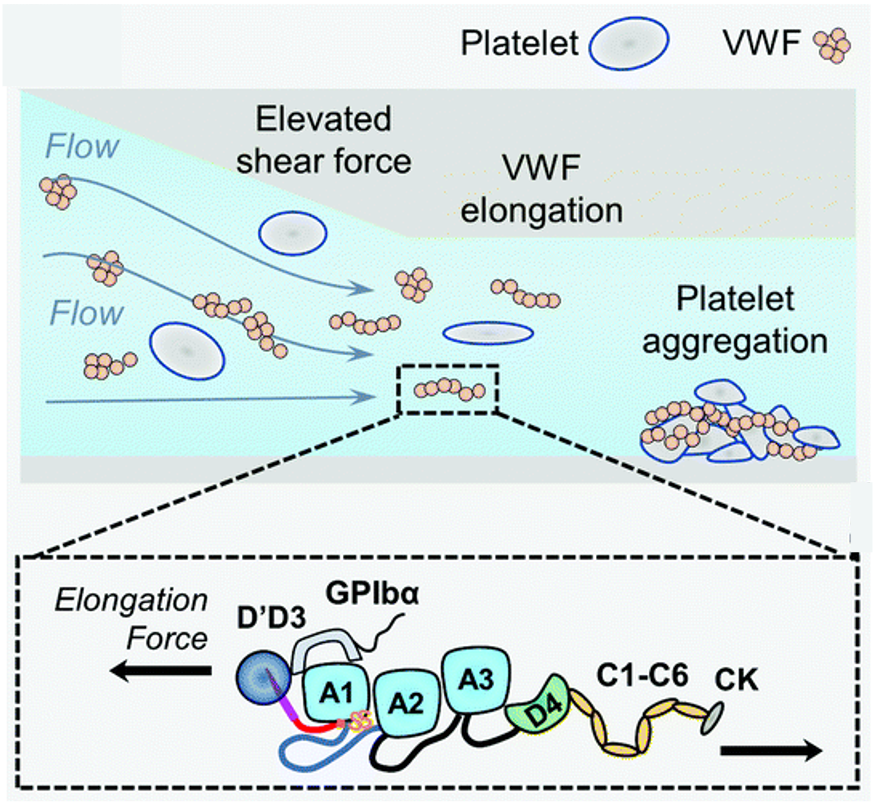
We investigate how mechanical forces regulate thrombus formation at the molecular, cellular, and vascular scales, with a focus on force-sensitive pathways that initiate and amplify pathological clotting. We study how biomechanical forces in blood flow regulate the structure and function of von Willebrand factor (VWF), a key mechano-responsive protein in hemostasis and thrombosis.
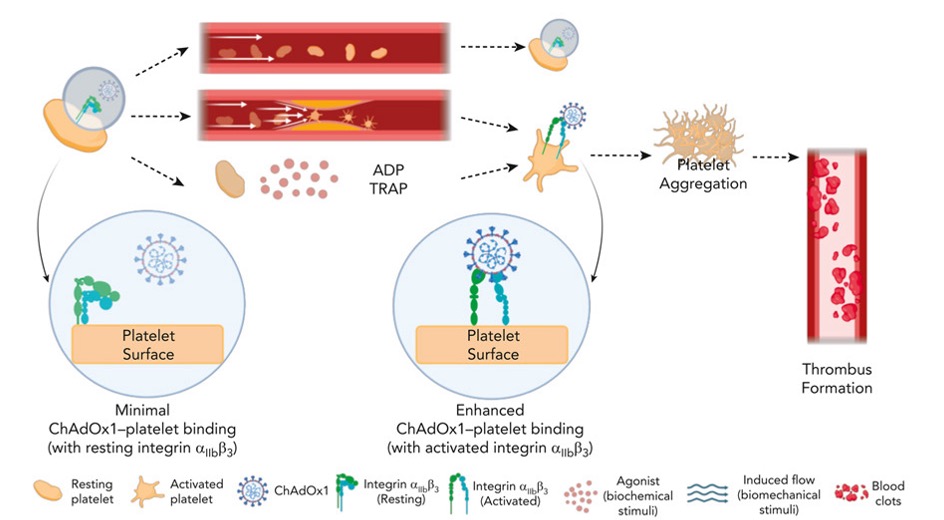
We explore how adenoviral vectors such as ChAdOx1 interact with platelet and vascular integrins under mechanical forces, contributing to rare thrombotic complications.
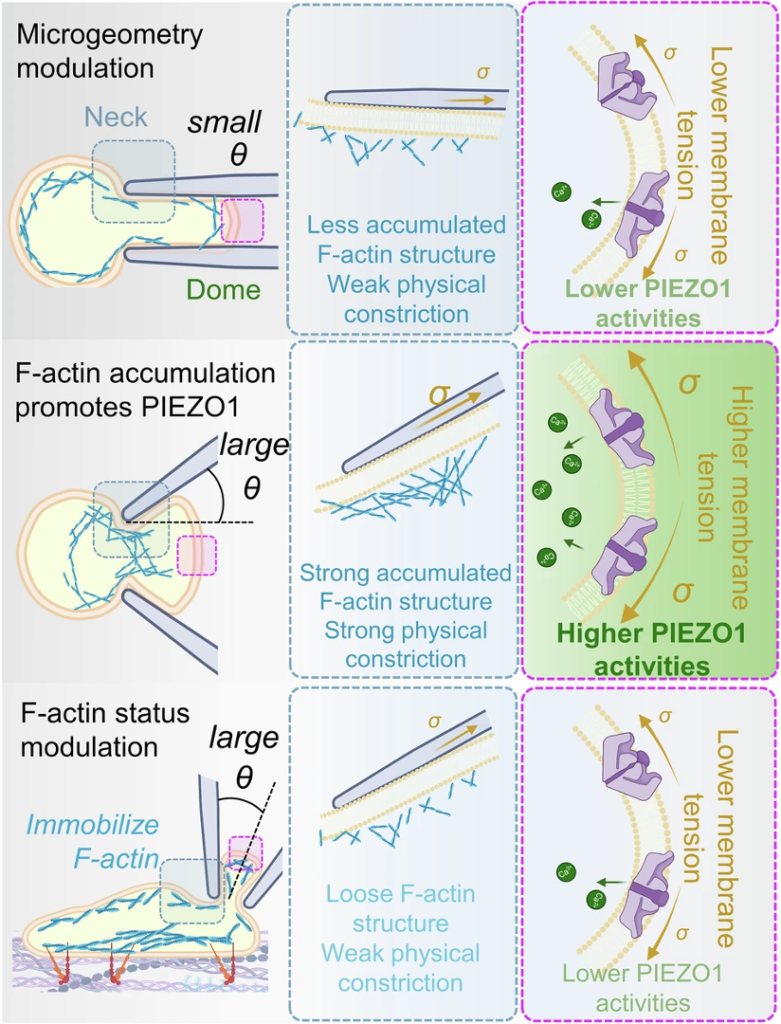
We investigate PIEZO1, a mechanosensitive ion channel, as a central force sensor linking blood flow to cellular activation in thrombosis.
AIM 2: MECHANOMEDICINE DISCOVERY
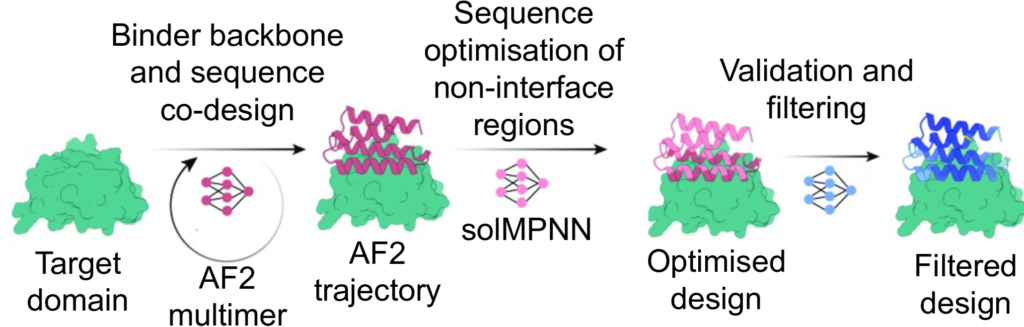
We develop mechanomedicines therapeutics that specifically target force-activated disease pathways by integrating structural biology with AI driven drug design, molecular simulations, microfluidics, and biomechanical assays. Our focus is to intervene at mechanical checkpoints that are invisible to conventional drugs.
AIM 3: PERSONALISED MECHANOBIOLOGY ON A CHIP
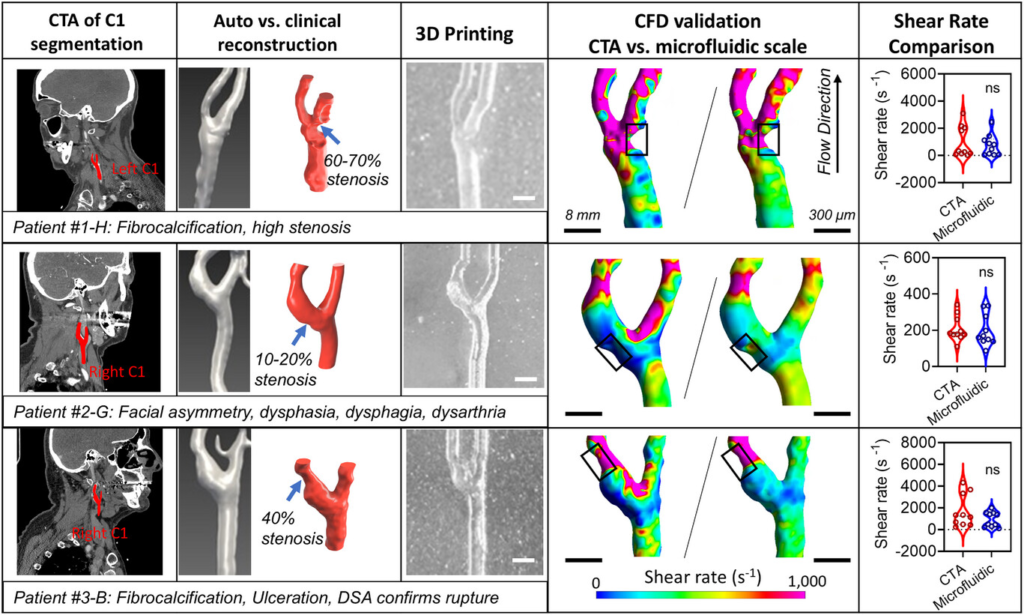
We develop patient-specific microphysiological systems that replicate an individual’s biomechanical disease environment, enabling precision diagnosis, risk prediction, and therapeutic testing under physiologically relevant forces.
AIM 4: TRANSLATION – POINT-OF-CARE MICRODEVICES
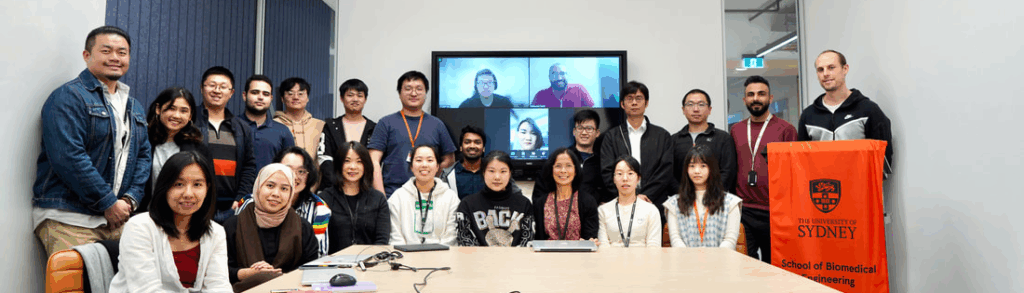
Meet our team
Publications
We translate mechanobiology and mechanomedicine discoveries into portable, rapid, and affordable diagnostic microdevices that assess disease under physiologically relevant mechanical conditions at the point of care.
Our team is developing an innovative digital health platform designed to enable rapid, affordable, and accessible assessment of blood clotting risk. The technology combines a simple blood-based test with advanced computational analysis to deliver fast, objective insights into an individual’s thrombotic risk profile.
Similar in ease to point-of-care glucose testing, the system requires only a small drop of blood and minimal processing time. Proprietary analytical algorithms interpret test signals to generate results within minutes, supporting early identification of individuals at elevated risk of clot-related conditions such as stroke.
By enabling earlier and more accessible risk detection, this approach has the potential to support timely clinical decision-making, improve preventive care, and reduce reliance on late-stage emergency interventions.